
Fair play systems are essential for maintaining trust, transparency, and long-term sustainability in digital platforms, especially in environments where users rely on automated systems for outcomes and rewards. Whether applied to online gaming, digital competitions, or algorithm-based platforms, fair play systems must be continuously reviewed to ensure they operate as intended. These reviews help confirm that rules are applied consistently, outcomes are unbiased, and users are protected from manipulation or unfair advantages.
The Purpose of Reviewing Fair Play Systems
The primary goal of reviewing fair play systems is to protect integrity. A system may be designed with fairness in mind, but without regular evaluation, hidden flaws can emerge over time. Reviews ensure that the system remains aligned with its original purpose, adapts to technological changes, and responds to evolving user behavior.
Fair play reviews also reinforce user confidence. When users know that systems are independently examined and regularly tested, they are more likely to trust outcomes, engage responsibly, and remain loyal to the platform. In competitive or reward-based environments, this trust is a critical foundation.
Internal System Audits
The review process often begins internally. Developers and system administrators conduct structured audits to examine how rules are implemented at a technical level. These audits focus on system logic, data handling, and consistency in rule enforcement.
Internal reviews typically assess whether algorithms perform as documented, whether edge cases are handled correctly, and whether updates have unintentionally introduced bias or imbalance. Logs, simulations, and controlled test scenarios are used to observe how the system behaves under different conditions. This step allows organizations to identify and resolve issues early, before they affect users.
Independent Third-Party Evaluations
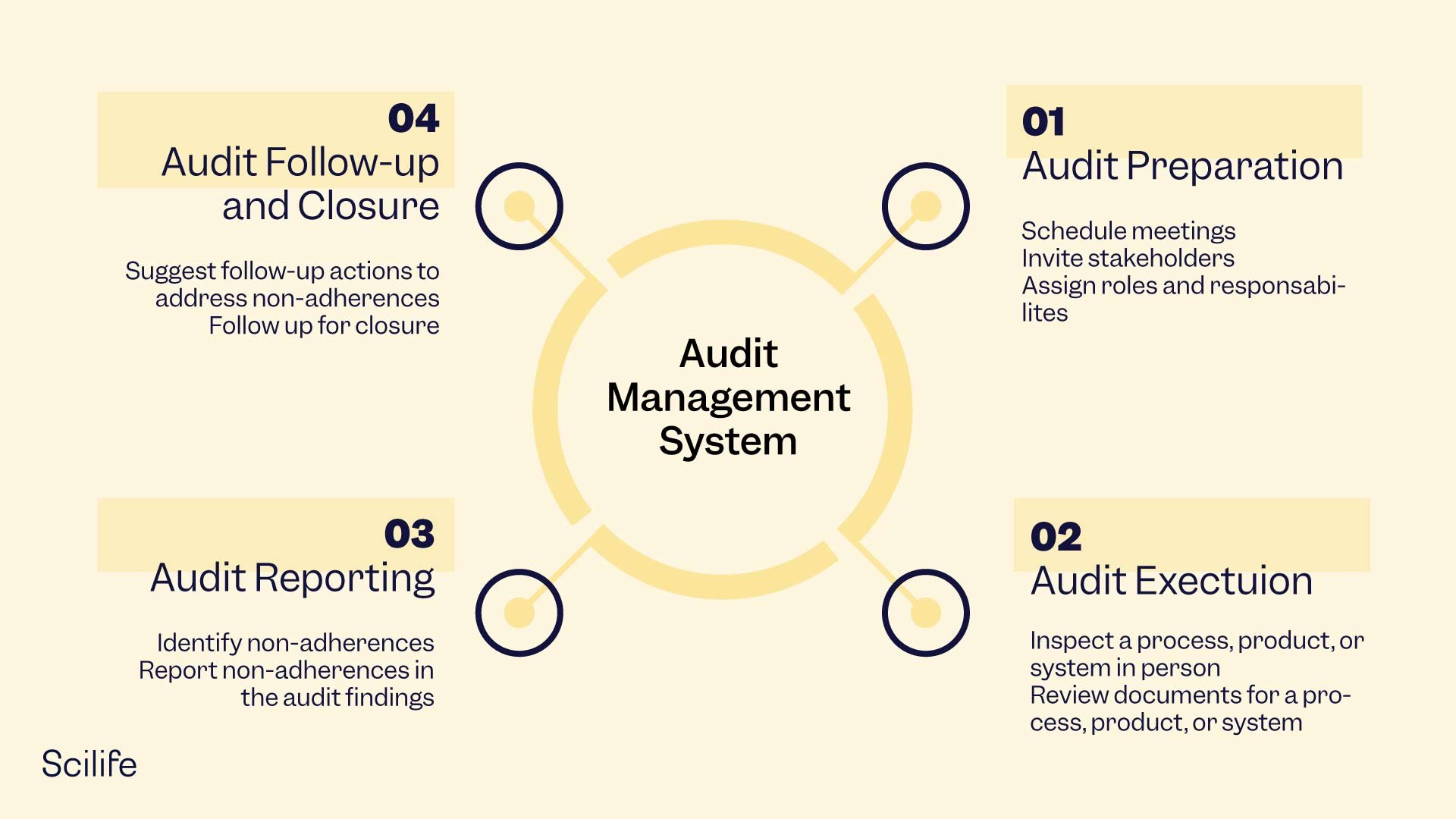
Beyond internal checks, many fair play systems are reviewed by independent third parties. External reviewers provide objectivity, reducing the risk of conflicts of interest. These evaluators analyze system design, outcome distribution, and historical performance data to confirm fairness claims.


4
Third-party reviews often involve statistical testing, stress testing, and documentation analysis. Reviewers look for anomalies, predictable patterns, or structural weaknesses that could be exploited. Their findings are usually summarized in formal reports, which may be shared publicly to increase transparency.
Testing Outcome Consistency and Randomness
A key component of fair play system reviews is outcome analysis. Reviewers examine whether results fall within expected statistical ranges over time. For systems that rely on randomness, this means verifying that outcomes are not skewed toward specific users, time periods, or behaviors.
Consistency testing ensures that similar actions produce similar results under the same conditions. If outcomes vary without a logical explanation, it may indicate a flaw in system logic or implementation. These tests help distinguish natural variation from systemic bias.
Security and Anti-Manipulation Checks
Fair play reviews also address security. Even a well-designed system can become unfair if users find ways to manipulate it. Reviewers assess safeguards against exploits, automation abuse, and unauthorized interference.
This part of the review focuses on access controls, monitoring tools, and response mechanisms. Systems are evaluated on how quickly they detect irregular behavior and how effectively they prevent repeat abuse. Strong anti-manipulation measures are a critical indicator of a reliable fair play framework.
User Feedback and Behavioral Analysis
User experience plays an important role in reviewing fair play systems. Feedback from users often highlights issues that technical testing alone may miss. Patterns of complaints, confusion, or dissatisfaction can signal deeper problems in how rules are communicated or applied.
Behavioral analysis complements this feedback. Reviewers study how users interact with the system over time, looking for signs of frustration, disengagement, or unintended incentives. If a system encourages risky or exploitative behavior, it may need adjustment—even if it is technically fair.
Transparency and Documentation Review
Clear documentation is another focus of fair play system reviews. Rules, mechanics, and limitations should be understandable to both users and reviewers. Transparency does not require revealing proprietary code, but it does require explaining how decisions are made and how fairness is maintained.
Reviewers assess whether public explanations match actual system behavior. Gaps between stated policies and real outcomes can undermine trust, even if the system functions correctly. Regular updates to documentation help keep expectations aligned with reality.
Continuous Improvement Through Regular Reviews
Fair play is not a one-time achievement. Systems must be reviewed regularly as technology evolves and user populations grow. Periodic reviews allow platforms to adapt to new risks, refine balancing mechanisms, and strengthen protections.
Many organizations treat fair play reviews as part of an ongoing improvement cycle. Findings from each review inform future updates, creating a feedback loop that enhances stability and credibility over time.
Conclusion
Reviewing fair play systems is a structured, multi-layered process that combines technical audits, independent evaluations, outcome analysis, security testing, and user feedback. Each layer contributes to a clearer understanding of whether a system truly operates fairly in practice, not just in theory.
By committing to regular, transparent reviews, platforms demonstrate accountability and respect for their users. In environments where trust is essential, thorough fair play system reviews are not optional—they are fundamental to long-term success.
Leave a Reply